

Home Attic Insulation: The Complete Guide PowerPoint PPT Presentation
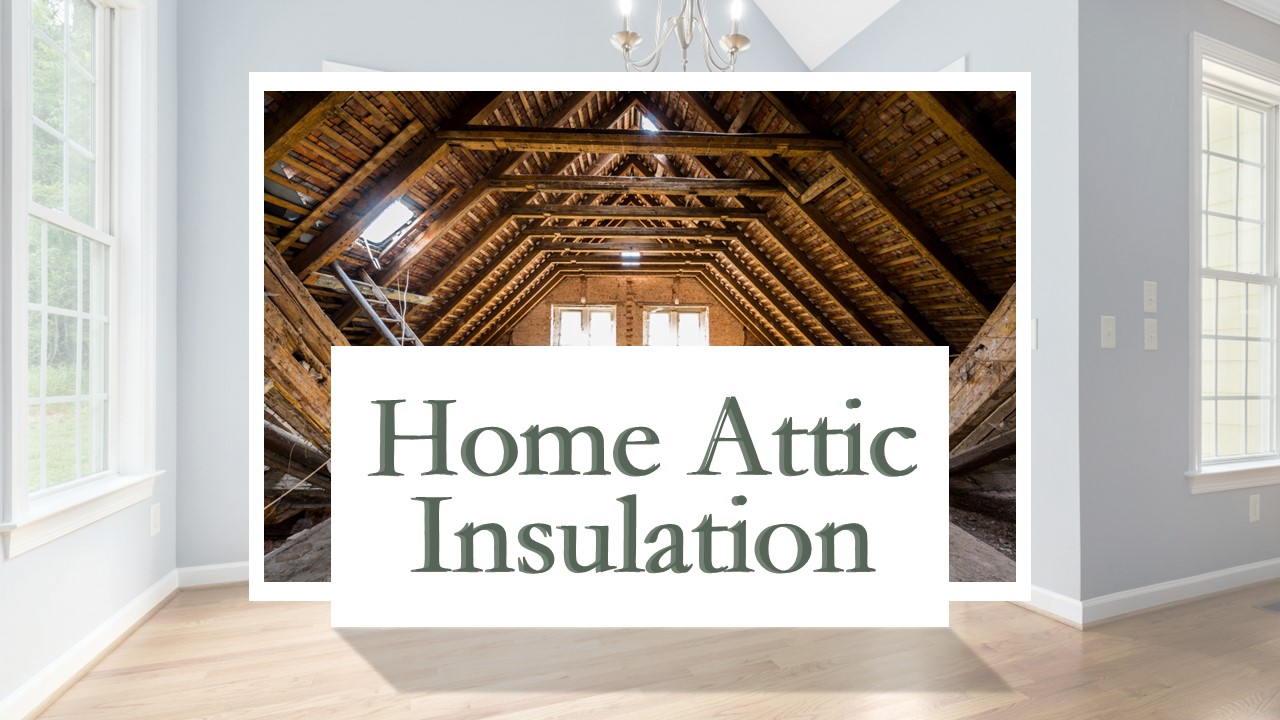
Title: Home Attic Insulation: The Complete Guide
1
Home Attic Insulation
Home Attic Insulation
2
BENEFITS OF PROPER INSULATION
- Proper attic insulation for home can lower
heating and cooling costs by reducing air leaks. - Regulates temperature in the home, preventing hot
or cold spots. - Acts as a barrier to outside noises, creating a
quieter home environment. - By reducing strain on the system, it can prolong
the life of your heating and cooling units. - Decreases energy usage, lowering your carbon
footprint.
3
TYPES OF INSULATION
- Fiberglass Insulation Made from fine glass
fibers, its non-combustible, affordable, and
effective at preventing heat transfer. - Spray Foam Insulation Expands on application,
creating an air-tight seal. Great for
hard-to-reach areas but more expensive. - Blown-in Insulation Made of fiberglass or
cellulose, its perfect for attics with irregular
spaces. - Batt Insulation Pre-cut panels of fiberglass or
rock wool, easy to install, best for standard
spaces. - Reflective or Radiant Barrier Insulation
Typically used in warmer climates, reflects heat
away. Radiant barriers are highly reflective
materials that re-emit radiant heat rather than
absorbing it, reducing cooling loads. As such, a
radiant barrier has no inherent R-value.
4
HOW INSULATION WORKS
- Insulation reduces heat transfer between your
attic and the living areas below. - In winter, it prevents heat from escaping the
home, keeping it warmer inside. - In summer, it stops outside heat from
penetrating, helping maintain cooler indoor
temperatures. - The materials effectiveness is measured by
R-value, indicating how well it resists heat
flow higher R-value equals better insulation. - Insulation also helps prevent moisture buildup,
which can cause mold and rot.
5
ATTIC INSULATION INSTALLATION PROCESS
- First, inspect the current insulation condition
and the attics overall structure. - Clear the attic space to allow easy installation
access. - Choose insulation type based on the climate,
budget, and attic layout.
- Lay batt or roll insulation between joists, or
use spray foam/blown-in insulation for coverage
in hard-to-reach spaces. - Ensure any air leaks around vents, ducts, or
wiring are sealed to maximize efficiency. - After installation, check for coverage and proper
ventilation to avoid moisture problems.
6
COMMON MISTAKES
- Not covering the entire attic space can result in
energy inefficiency. - Excess insulation in some areas may cause
moisture retention or mold growth. - Failing to seal gaps around pipes, wiring, or
vents leads to air leaks and energy loss. - Choosing the wrong insulation type for climate or
attic space can reduce effectiveness. - Insufficient attic ventilation can lead to
trapped moisture, promoting mold and reducing
insulation effectiveness.
7
MAINTAINING YOUR ATTIC INSULATION
- Check insulation for settling, gaps, or moisture
damage every few years. - Maintain attic airflow to prevent moisture
buildup and extend insulation life. - If you notice insulation has shifted, repair or
replace it to maintain R-value. - Periodically inspect for any signs of mold or
pest infestation that could damage the
insulation. - If the insulation has degraded or if energy bills
increase, consider adding or upgrading the
material.
8
SIGNS YOUR ATTIC NEEDS INSPECTION
- If your heating or cooling costs are rising
unexpectedly, your insulation might be lacking. - Noticeable temperature fluctuations in certain
areas indicate insufficient insulation.
- If icicles form on the roof, its a sign of poor
attic insulation causing uneven heat
distribution. - Gaps, cracks, or settled insulation indicate the
need for replacement or upgrade.
9
CONCLUSION
It is an effective way to improve home comfort,
lower energy bills, and increase property value
while supporting environmental sustainability. If
you're uncertain about the best insulation
materials or installation methods, seeking
professional help is a smart choice. A certified
insulation contractor can provide expert advice,
ensure accurate installation, and recommend the
right solutions tailored to your attics needs,
helping you achieve optimal energy efficiency and
long-term results.
10
CONTACT US FOR EXPERT SOLUTIONS
ADDRESS
PHONE
(510) 660-0455
1721 Broadway, Ste. 201 Oakland, CA 94612
WEBSITE
info_at_johnsonsinsulation.green
www.johnsonsinsulation.green
Recommended

