

The Importance of Printing Rollers in Modern Printing Technology PowerPoint PPT Presentation
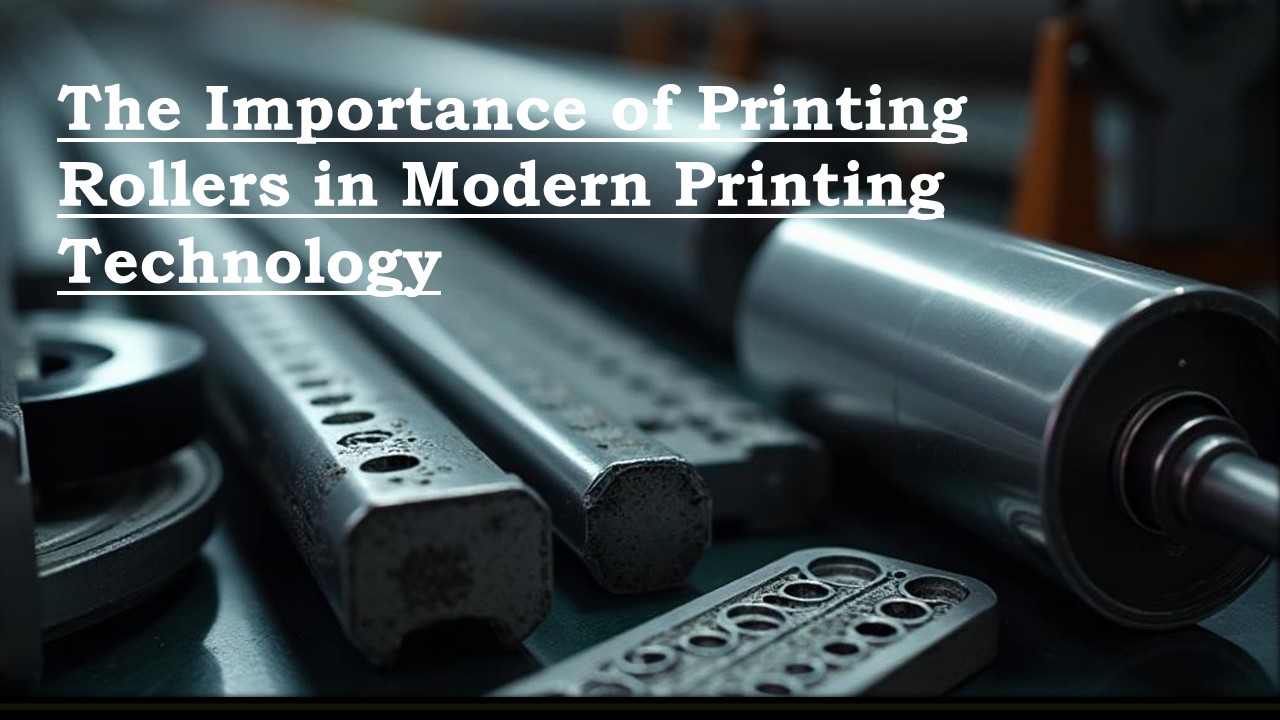
Title: The Importance of Printing Rollers in Modern Printing Technology
1
The Importance of Printing Rollers in Modern
Printing Technology
2
Introduction
In the realm of modern printing,
rollersespecially the printer rubber
rollerserve as the backbone of various printing
processes, including offset, digital, and
flexographic printing. These components are
crucial for the precise transfer of ink, ensuring
consistent print quality across diverse
substrates. Beyond their basic function, printer
rubber rollers adapt to technological
advancements, playing a pivotal role in meeting
the evolving demands of the printing industry.
Their design, material composition, and
maintenance directly influence the efficiency,
durability, and quality of print outputs, making
them indispensable in contemporary printing
operations.
3
Rollers in Offset Printing Ensuring Consistency
and Durability
Offset printing relies heavily on rollers to
transfer ink from the plate to the rubber blanket
and finally onto the substrate. These rollers
must maintain uniform pressure and ink
distribution to achieve sharp, consistent prints,
especially during large runs. Materials like
rubber or polyurethane are commonly used for
their efficient ink transfer capabilities and
resistance to wear. Regular maintenance,
including cleaning and inspection, is essential
to prevent ink buildup and ensure the longevity
of the rollers, thereby reducing downtime and
maintaining high-quality outputs.
4
Rollers in Digital Printing Adapting to
Technological Advancements
Digital printing, encompassing inkjet and laser
technologies, demands rollers that can handle
high-resolution prints and variable data. These
rollers must accommodate diverse substrates and
ink types without compromising precision. As
digital printing integrates automation and
AI-driven processes, rollers are evolving to
support these innovations, enhancing efficiency
and output quality. Printing rubber roller
manufacturers are meeting these needs by
developing rollers with specialized coatings and
materials, which contribute to durability, ensure
consistent performance over time, and support the
growing demand for personalized and short-run
prints.
5
Rollers in Flexographic Printing Managing Ink
and Image Quality
Flexographic printing, widely used for packaging,
depends on rollers for effective ink management.
Anilox rollers, in particular, control ink
volume, transferring it from the ink reservoir to
the printing plate and onto the substrate. This
process ensures sharp, vibrant images, even in
high-speed production environments. The ability
of rollers to regulate ink flow is crucial for
consistent results. Moreover, the industry is
witnessing a shift towards eco-friendly
practices, with rollers adapting to use
water-based inks, aligning with sustainability
trends in printing.
6
Material Composition Enhancing Performance and
Longevity
The choice of materials in roller manufacturing
significantly impacts their performance and
lifespan. Rubber pressure rollers and
polyurethane variants are preferred for their
elasticity and durability, facilitating efficient
ink transfer and resistance to wear. Advancements
in material science have led to the development
of specialized coatings that enhance roller
performance, reduce maintenance needs, and extend
service life. These innovations contribute to
consistent print quality and operational
efficiency, making material selection a critical
aspect of roller design in modern printing
technology.
7
Maintenance Practices Ensuring Optimal Roller
Functionality
Regular maintenance is vital to preserve the
functionality and longevity of printing rollers.
Routine cleaning prevents ink buildup, which can
compromise print quality and lead to equipment
downtime. Periodic inspections help identify wear
and tear early, allowing for timely replacements
or refurbishments. Implementing a proactive
maintenance schedule ensures that rollers operate
at peak performance, contributing to consistent
print outputs and reducing the likelihood of
unexpected failures in the printing process.
8
Innovations and Future Trends in Roller Technology
The printing industry is continually evolving,
with innovations in roller technology playing a
significant role. Developments include the
integration of smart sensors for real-time
monitoring, advanced materials for enhanced
durability, and designs that support sustainable
printing practices. These advancements aim to
improve print quality, increase operational
efficiency, and reduce environmental impact. As
the industry moves forward, the role of rollers
will continue to be pivotal, adapting to new
technologies and contributing to the advancement
of modern printing solutions.
9
Conclusion
Printing rollers are fundamental to the success
of modern printing technologies. Their ability to
ensure precise ink transfer, maintain consistent
quality, and adapt to technological advancements
underscores their importance in the industry.
From offset to digital and flexographic printing,
rollers contribute significantly to operational
efficiency and print excellence. As the printing
landscape continues to evolve, the innovation and
optimization of roller technology will remain
central to meeting the dynamic needs of the
market.
10
Thank you!
Do you have any questions?
91-9350613863
export_at_sigmarollers.com
https//sigmarollers.com/
C-26, 27, SECTOR 2, BAWANA INDUSTRIAL AREANEW
DELHI 110039
Recommended

