

Strengthening Audit Preparedness with a Compliance Management System PowerPoint PPT Presentation
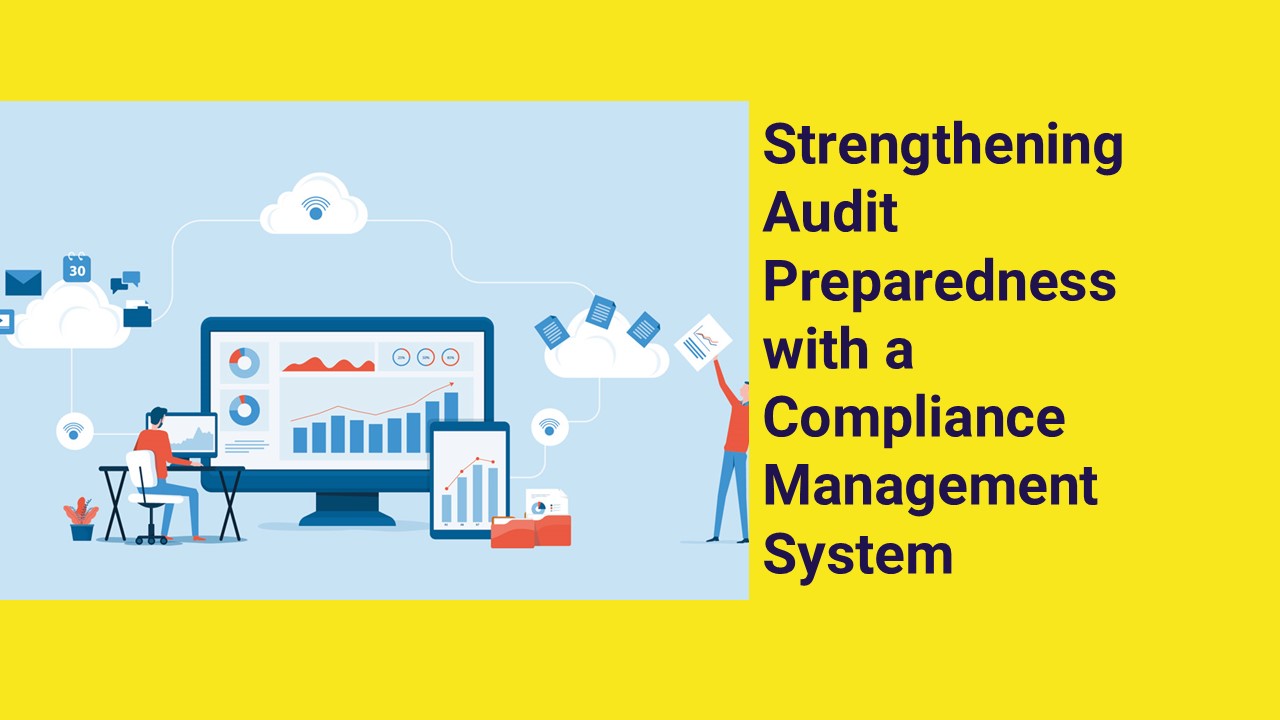
Title: Strengthening Audit Preparedness with a Compliance Management System
1
Strengthening Audit Preparedness with a
Compliance Management System
2
Strengthening Audit Preparedness with a
Compliance Management System
In the current regulatory climate, audits are no
longer limited to yearly schedules. Instead, they
can happen at any time and often demand immediate
access to detailed records and proof of
regulatory adherence. Many organizations find
themselves underprepared, rushing to gather
documents, track task status, or identify missing
reportscreating room for error, delay, and even
financial penalties. This is where a Compliance
Management System becomes invaluable. With its
ability to centralize data, automate tasks, and
provide clear oversight of compliance workflows,
it helps businesses stay ready for audits at any
pointwithout needing to scramble. Lets explore
how such a system helps organizations enhance
audit readiness efficiently and
sustainably.
3
All-in-One Access to Compliance Documentation A
major challenge during audits is retrieving
required documents across different departments
or systems. Licensing details, legal
registrations, safety clearances, policy updates,
and more are often spread outleading to
inefficiencies and compliance gaps. A Compliance
Management System acts as a digital filing
cabinet, offering a single, secure location to
manage and retrieve all compliance-related
records. Authorized users can access documents
instantly, ensuring that nothing critical is
misplaced or outdated. This unified repository
supports Accurate recordkeeping across
departments Instant access to verified versions
of files Streamlined sharing with auditors or
internal teams
4
Built-In Activity Logs and Audit Trails
Auditors dont just look for documentsthey want
to understand how compliance was achieved. Who
handled which task? Was it reviewed or approved?
Was there a delay?
A Compliance Management System automatically
tracks each step of the process, creating an
audit trail that shows who completed a task, when
it was done, and how it was managed. This audit
history is essential for both internal reviews
and third-party inspections, offering complete
transparency and reducing the need for manual
explanation.
5
Instant Compliance Snapshots Through
Dashboards When audits happen, organizations
often struggle to put together data summaries or
compliance metrics across regions or business
units. A Compliance Management System solves this
by offering dynamic dashboards that display
real-time compliance statuses. Whether its
pending actions, overdue items, or
department-wise summaries, these dashboards
provide a live picture of where the business
stands. They also make it easier to Generate
custom compliance reports Identify risk areas
quickly Present data confidently to
regulators
6
Task Automation That Prevents Missed Deadlines
One common reason for audit failures is a missed
renewal or deadlineespecially for periodic
filings, approvals, or certifications. When
organizations rely on emails, Excel trackers, or
manual methods, its easy for things to fall
through the cracks.
A Compliance Management System addresses this by
automating compliance tasks with scheduled
reminders and escalation paths. Each task is
assigned, tracked, and escalated as needed to
ensure completion on time, every time.
This automation helps reduce
Last-minute compliance rush
Oversights due to manual tracking
Delays in addressing regulator requirements
7
Robust Role-Based Controls and Multi-Tier
Approvals Regulatory bodies frequently assess
whether internal controls are strong enough to
prevent fraud or negligence. A reliable
Compliance Management System supports internal
governance by using role-based controlsso each
user can only access and act upon data relevant
to their responsibilities. With workflows that
follow a maker-checker-approver structure, the
system ensures no task goes unchecked, improving
both accountability and data integrity.
8
Empowering Teams to Run Internal Reviews
Organizations dont have to wait for external
audits to evaluate their own processes. A
Compliance Management System allows internal
teams to conduct regular self-assessments using
built-in tools like
Internal audit checklists
Compliance exception reports
Gap identification and closure tracking
Conducting routine reviews helps spot and fix
non-compliance issues before they escalate into
audit risks.
9
Pre-Audit Preparation Becomes Simpler Many
systems now come with pre-audit tools, allowing
teams to prepare well in advance. These include
pre-configured task lists, automated alerts for
expiring licenses or missing filings, and tagging
of relevant stakeholders for coordination. By
treating audits as a regular part of the
compliance process, a Compliance Management
System makes audit prep structured and far less
stressful.
10
Audits dont need to be a source of panic. When
businesses have the right tools in place, staying
audit-ready becomes part of their compliance
routinenot a separate, disruptive event. A
Compliance Management tool supports this
transformation. It allows organizations to manage
documentation, track actions, conduct internal
reviews, and generate real-time reports with
ease. This results in a more transparent,
accountable, and reliable compliance
postureready for inspection at any
moment.
Recommended

