

Dyspnea: Causes, Symptoms and Treatment PowerPoint PPT Presentation
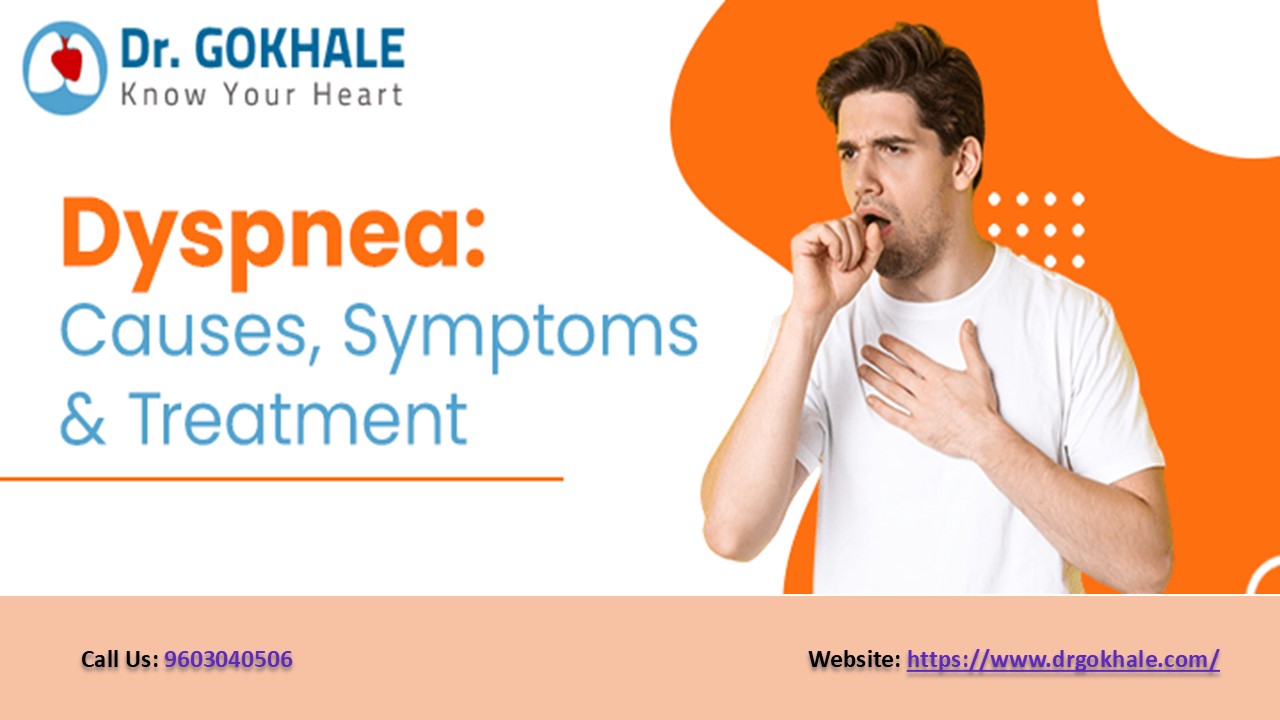
Title: Dyspnea: Causes, Symptoms and Treatment
1
(No Transcript)
2
Feeling breathless after taking a relaxing walk
or while sitting is a worrying sign especially
when one hasnt performed any acts of physical
exertion that would lead to such a feeling. It is
your bodys way of triggering warning signs that
something is wrong or needs attention. This
article will explore what dyspnea is, its causes
and symptoms, and what you can do about
it. Dyspnea, also known as breathlessness, is
not a disease but a common symptom that various
factors can cause. Dyspnea is a medical
terminology used to describe shortness of breath
or difficulty in breathing. It can be a mild,
occasional symptom or a severe and chronic
condition that affects daily living.
3
Causes of Dyspnea Dyspnea can be caused by a
variety of factors like respiratory,
cardiovascular and neurological conditions, which
are further examined below Respiratory
Conditions Chronic obstructive pulmonary
disease(COPD), pulmonary embolism and asthma are
respiratory conditions that can cause
breathlessness. Neurological ConditionsConditions
like Parkinsons disease, spinal cord injury,
and multiple sclerosis can cause
dyspnea. Cardiovascular ConditionsHeart failure,
arrhythmia and coronary artery disease are
conditions that can cause breathlessness. Other
causes of dyspnea include but are not limited to
obesity, anxiety, anaemia, panic attacks, extreme
temperatures and many more. You would need the
best heart and lung transplant surgeon in
Hyderabad, like Dr Gokhale if it progresses to a
critical stage.
4
Symptoms of Dyspnea The symptoms of dyspnea vary
depending on underlying factors and can manifest
in various ways such as Shortness of
breathFeeling like you cant catch your breath
or are not getting enough air. This can be
characterised by rapid or shallow breathing,
especially without physical exertion. Wheezing A
high-pitched whistling noise produced when
breathing, usually accompanied by shortness of
breath. Dizziness Feeling lightheaded, unsteady
and disoriented. Additional Considerations
Fatigue, tightening of the chest, excessive
coughing, sudden chest pain, etc.
5
How to Treat Dyspnea Treating dyspnea usually
depends on treating the underlying cause, which
includes Medications Use medications to reduce
inflammation and improve heart function.
Medications like bronchodilators and oxygen
therapy can help manage the symptoms. Changing
your LifestyleQuitting bad habits like smoking
and excessive eating is a good way to improve
lung function and reduce symptoms. Pulmonary
Rehabilitation Performing exercises that
strengthen the lungs and receiving education and
support to manage chronic respiratory
conditions. SurgerySurgery may be necessary to
treat underlying conditions like lung cancer.
6
Conclusion While dyspnea is a challenging
condition, it can be managed. By understanding
what causes it, its symptoms and treatment
options, you can manage the symptoms and live a
normal life. If you are experiencing dyspnea and
want to take control of your life, connect with
Dr Gokhale today.
7
(No Transcript)
8
(No Transcript)
Recommended

