

Lsf Vs Lszh Vs Pvc: What Are the Differences? PowerPoint PPT Presentation
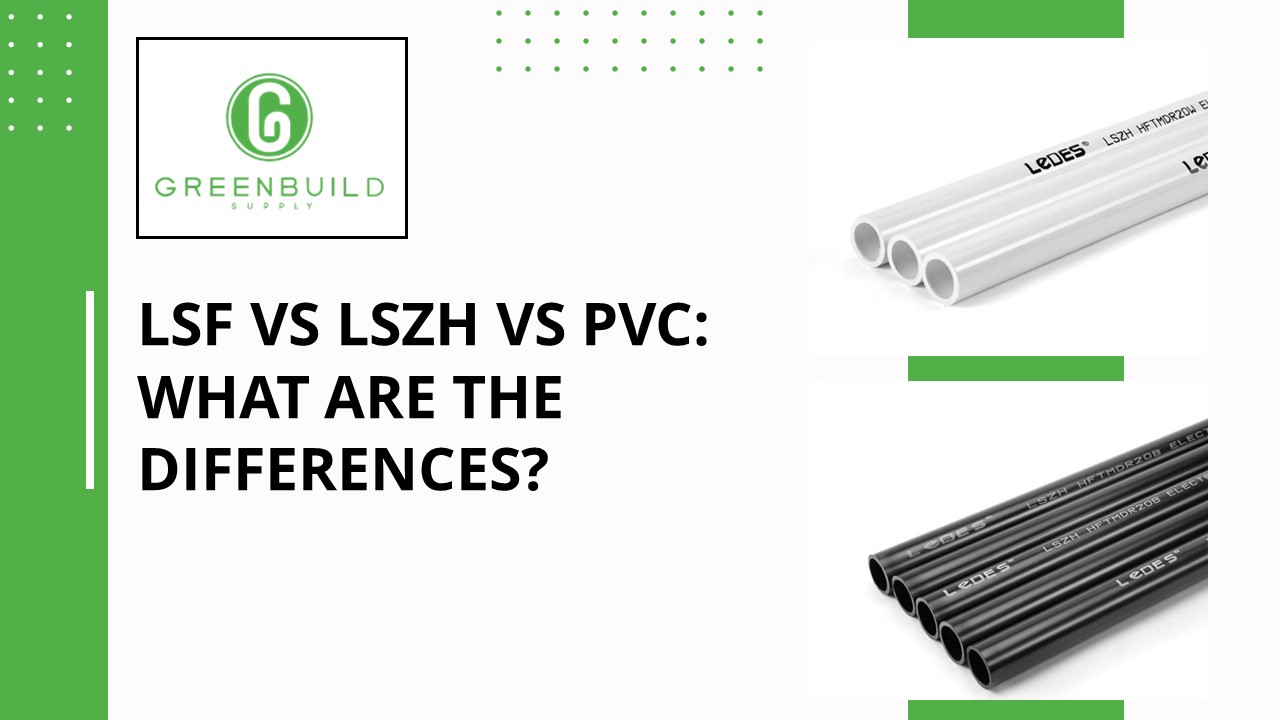
Title: Lsf Vs Lszh Vs Pvc: What Are the Differences?
1
LSF VS LSZH VS PVC WHAT ARE THE DIFFERENCES?
2
When it comes to electrical wiring solutions, the
choice of materials is crucial to ensuring
safety, reliability, and compliance with
regulations. And three common types of
electrical cable sheathing materials often come
into consideration LSF (Low Smoke and Fume),
LSZH (Low Smoke Zero Halogen), and PVC (Polyvinyl
Chloride). Thus, in this ppt, we have discussed
these three materials to help you make a more
informed choice. So, read on to find out more.
3
LSF (LOW SMOKE AND FUME)
- LSF cables are designed to emit minimal smoke and
low levels of toxic fumes in the event of a fire.
This characteristic is particularly important in
confined spaces where the build-up of smoke can
pose serious risks to human health. - LSF cables are often used in public buildings,
transportation systems, and enclosed spaces where
the evacuation of occupants is a primary concern. - Despite their fire safety benefits, LSF cables
may have limitations in terms of mechanical
strength and flexibility compared to other
materials. Therefore, it's essential to consider
the specific requirements of the installation
when opting for LSF cables.
4
LSZH (LOW SMOKE ZERO HALOGEN)
- LSZH cables take fire safety a step further by
not only minimizing smoke but also eliminating
halogen emissions during combustion. - Halogens, such as chlorine and fluorine, can
produce corrosive and toxic gases when exposed to
fire, posing additional risks to both people and
equipment. - LSZH cables are a preferred choice in
environments where the presence of corrosive
gases can cause damage to electronic components
or where the release of toxic fumes could be
harmful. - Common applications include data centers,
industrial settings, and areas with a high
concentration of people.
5
PVC (POLYVINYL CHLORIDE)
- PVC remains a widely used material for cable
sheathing due to its cost-effectiveness,
flexibility, and ease of installation. - However, unlike LSF and LSZH cables, PVC cables
are not designed with a primary focus on low
smoke or zero halogen emissions in the event of a
fire. - However, PVC emits dense smoke and toxic gases
when exposed to fire. Thus, it may not be
suitable for applications where fire safety is a
top priority.
6
(No Transcript)
Recommended

